Crossing
The Window at Amber Ring

Crossing
Mooring
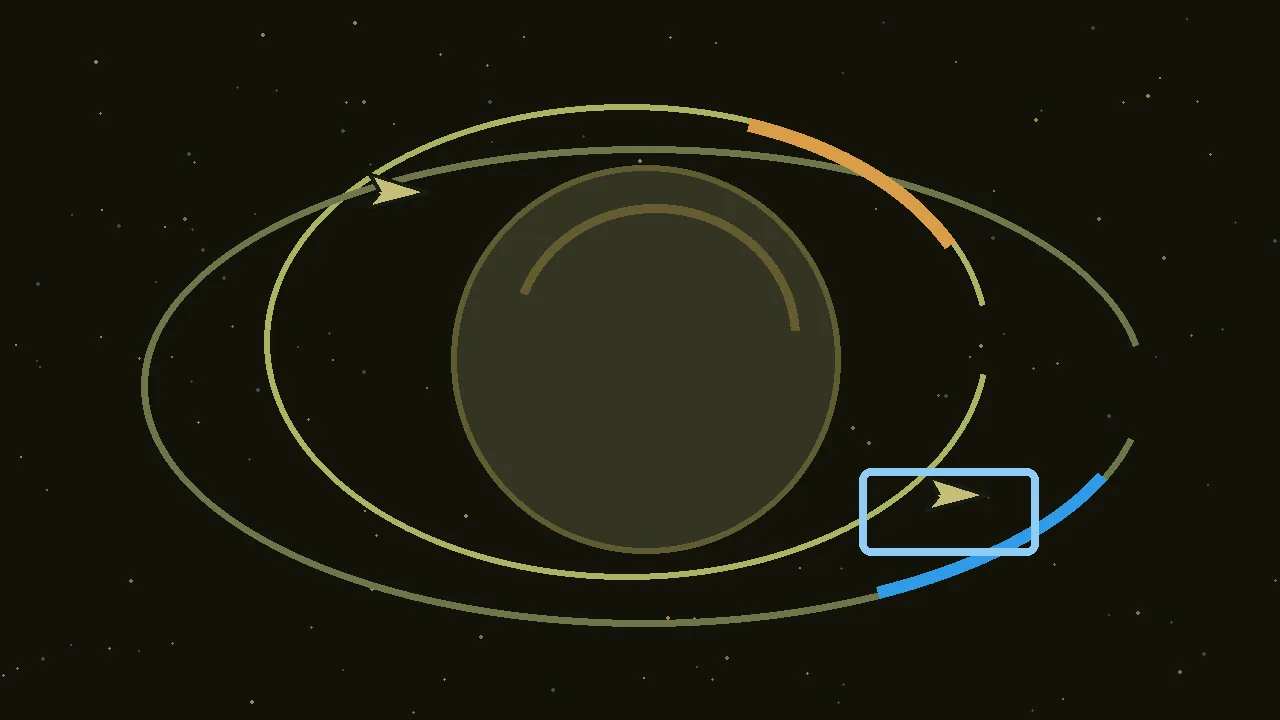
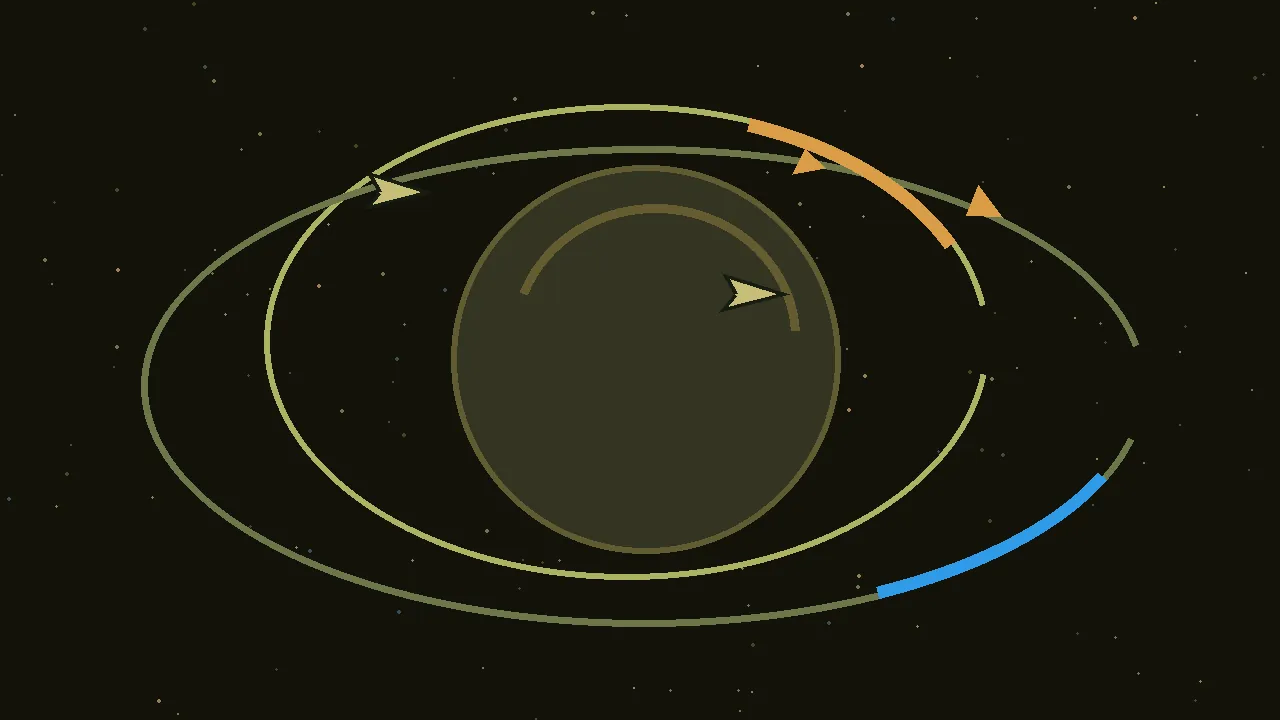
The crossing case starts at a short window and gives two fleets choices around it. The mooring case opens beside a small holding position outside a direct route. Turn on a condition to see the relevant case and its opening still. The larger map helps you find where each case begins. The card gives its own name to the place where a fleet can wait or cross. Use all cases to see the two starts together. The case descriptions keep one earlier marker available while a new route approaches that position.
The Amber Ring map has a thin curve that reaches the station near the end of a turn. A second curve can approach it if the fleet gives up time in its current position. A stop on the mooring case can let one group wait without using the path a second group has to take. The two cases have different first questions. In the late window case the player sees the time from both sides of the ring. In the other, the opening mooring and a later arrival both need a place to be shown.
Open the indicated concept and compare which destination the fleet can use after the next turn. The Transit Era puts a version heading above the dated notes. There you can read why a route keeps its direction visible or why a waiting place remains on the board at the end. The case keeps both its lane and the early point of the trial available. Read the same passage with the later group entering from the other side. Both sorts of opening should leave you with a clear place to compare what that movement does to the first fleet.