
The Window at Amber Ring
Start at the ring before a crossing is ready
Two groups of ship counters circle an invented station at different points. Amber Ring can receive a fleet when it reaches a marked part of the orbit. The first group can use that space if the player keeps its route. The other reaches the end of a different line one move later. Both can see an older passage mark near the edge. We give them an open route to try so the player can decide which opening to use and what the second group will need when it comes to the same station. The marks and times use the rules of the game.
Let the window keep a beginning and an end
A player can move the first fleet into the window and see what it leaves open for a later group. If they direct it to an outer curve, the next open time arrives at a different place. The new reading keeps the old turn label visible and shows which directions the second group can still approach. The player can compare the later opportunity after returning to the same beginning. The time marker appears beside the station when the opening starts. When the window closes, a distinct edge gives the current row a place to wait. A player can see where they would point the second group before comparing another first move.
Draw the direction separately from the time mark
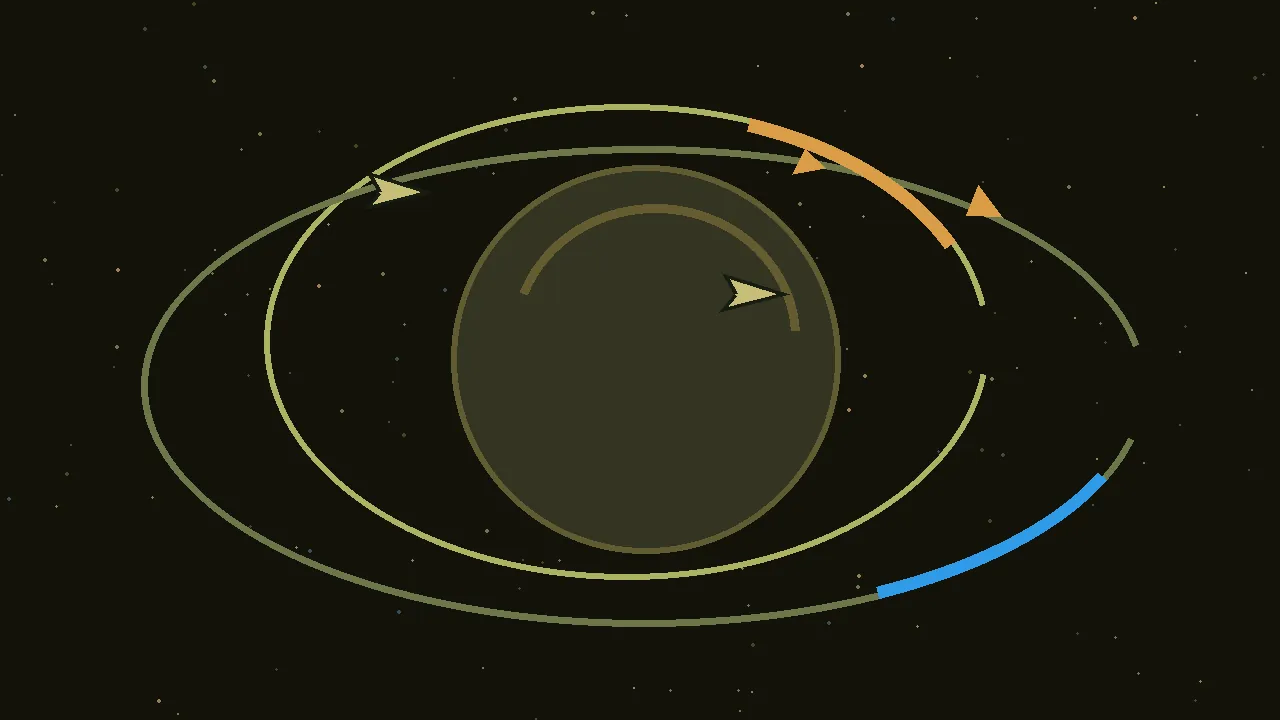
The group on the inner curve gets a teal edge. Amber draws the station and olive marks an earlier loop. A small arrow identifies which side the group enters. Leave the same marker on the later image so readers know what point they just reached. In a still, compare the size of the opening that remains with the place the fleet now occupies. Where the Window Begins considers one drawn edge that needs to stay familiar from either side. Show the little arrow and the first station at the same time. They answer different questions about the transit.
Stop after the later fleet reaches another choice
After the first group has used a window, decide whether the later one can still cross in a new turn. Reopen the earlier start and try another route. Compare what stayed open after which fleet moved. If they both cannot reach the station, show which earlier position would need a different action. Read the Loop from the Far Side shows a second way to read that part of the map. This is an early tabletop concept. We want each result to name the reachable place and a clear reason to try the earlier point again. A person should be able to trace a fleet from the marked arrival and describe the next turn without seeing a whole animation. The two current passages stay in view after any chosen movement.
It helps to compare a later flag with the edge of the earlier window. Keep the same starting fleet beside both and give the second reading its own destination while you change the earlier choice.