
An Open Place to Wait
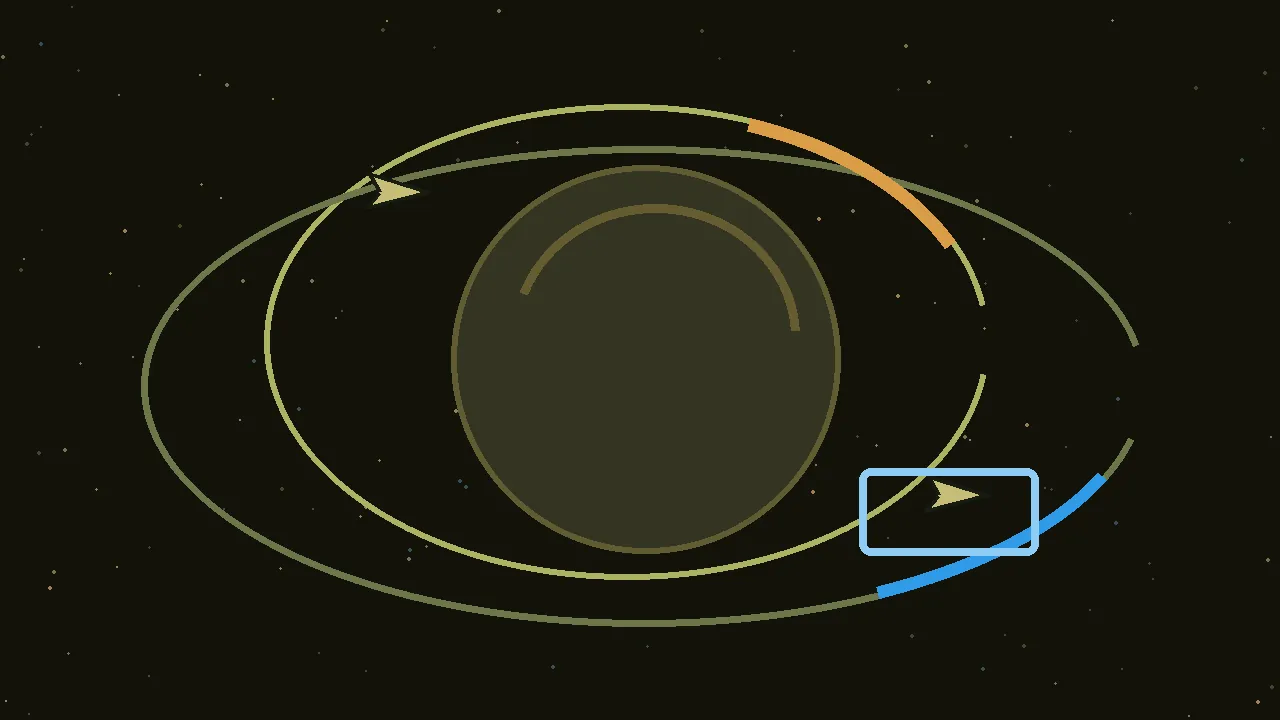
Mark the holding place before the fleet reaches it
The mooring opens near a thin route that can head through the next window. Both appear on the earlier chart. The first drawing gave the holding place one solid blue spot. A reader thought it was an open passage while they selected another route. We drew a wider outline for the place a fleet can occupy and kept the time on a separate part of the newer path. The earlier state can then show an open position without implying somebody is already there. Give the arriving ship enough room on the side of the mark to let the border remain visible when it stops. That makes a late comparison possible while a different fleet approaches.
Keep a clue for one group that will follow
An early fleet can take the holding place before a later group reaches the shared arc. We show the later direction with a thin line that can still reach the earlier part of the map. The new result may leave the later ship waiting farther along. Keep its earlier mark. A small triangle can identify which way it arrived without covering the outline of the mooring. The reader can then see what changed at the available window. If the later ship can use a different holding place, show where it begins and retain the same arrival until the current comparison is clear. That will give them a way to try a better answer using the earlier states.
Compare the wait with a longer move
In Hold at the Blue Mooring, we let the first group wait or move along the outer curve. Use the same starting diagram in both. In the first outcome the earliest fleet can reach the next opening. In the second, the holding place stays unused for the other group. We want the player to see which later move each outcome leaves open. If a person reports that the ship already crossed when it merely reached the mooring, separate the path past the window from the turn resting at the mooring. Keep a later position within reach while trying the new stop again.
Give the previous time a visible home
The time of the opening belongs next to the edge of the curve that the fleet can cross. The waiting place has a name and its own shallow outline. We tried moving the former time next to the same label as the stop. That made it hard to say when it would advance. We kept the two identifiers in the current drawing. Where the Window Begins describes the edge that belongs to the crossing. A new reader can look at that position and say whether the later group gets another turn. Another label should tell them where the prior fleet can sit meanwhile. This supports an explanation after the drawing stops and the first change has been accepted.
Ask what remains open before adding another fleet
For the next playtest, read the original arrival, make one change and ask where the second group can go. Do the same from an alternative result. Keep the window and the darker outline in view between both. If a reader cannot find the unused position, adjust an earlier label before introducing another route. The useful result can describe which place one fleet occupied and what became possible for the other. We can then add a later turn with the earlier holding point still familiar. Another trial should reopen with the same two groups and leave room for the first fleet to try a longer curve.
Its first open place should still be readable beside the crossing.