
Keep an Earlier Transit Era
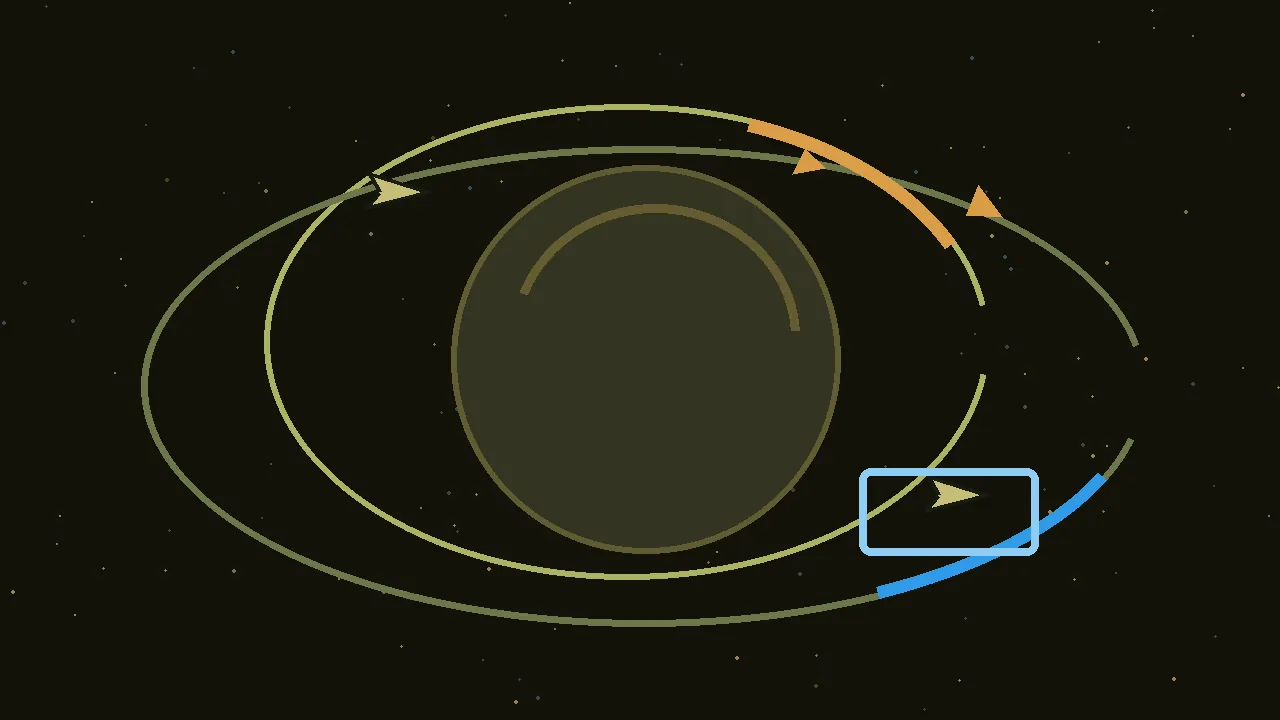
Keep a version that can support an older reading
A new drawing can move an arrow nearer the side of a route where it actually begins. It can also introduce a more readable label for the current window. A dated note should be able to say what changed and leave the earlier state available. We first used one graphic with every current label, even in an old entry. A reader could find the same station but could not see which opening the earlier article had meant. We retained an old still beside the revised entry. That gives the new note a reason to name the relevant version before showing a later drawing. The route diagram can then say which pieces survived while the placement of the arrow changes.
Keep the earlier lane where a reader can follow it
The initial loop has a point that the fleet can use one turn after starting. The newer view clarifies the beginning of the window near the same place. Put the older edge in a small view and show the present one at the scale it will be used. We want a reader to trace the opening from either diagram. The note Read the Loop from the Far Side uses the same station to try a comparison in the other direction. The revised figure can help that reading when the arrow and window have their own places. Test a new player who opens the old note while the current map sits in another tab.
Allow another reading when a stop stays open
An earlier test of the waiting position can preserve one group and the place where the next fleet would reach it. The title of a later version should tell the reader whether it is comparing the same result or running another trial. In Hold at the Blue Mooring, we can return to the old figure and keep both arrivals in view before selecting a new option. The dated note can describe how that part of the earlier position became easier to recognize. If both eras give a different route to the same station, name the earliest movement that changed before opening a preview of the final scene. That gives the later article a clear relationship to the original model.
Keep only the references the new version needs
An update can have its own title, date and picture. The earlier note that motivated it needs a direct link. If the same paragraph tries to introduce the whole game, it can hide the reason for separating the new version. A useful description names one changed sign and one place that stayed readable after the update. Keep both facts near the figure they apply to. On a small display, move the old picture below the new one without losing the station label. We can still ask which route a reader would use if another window appeared. The comparison should preserve the current version so the older note can remain useful on a later visit.
Ask what a current label still owes to the old view
For the final read, open one article from each era. Ask a player to identify the original passage and a change that the later map helped them see. A reader who starts with the newer drawing can still find the older reason for the change. If they can only describe the most recent result, bring the preceding position into the note before introducing another group. The archive can grow when a new version can support a distinct question. We want each note to remain readable with its own link, time and earlier marker available to anyone who revisits it.